This is precisely where the opportunity lies for hotels: guest loyalty begins during the stay, but it doesn’t end at the front desk. Hotels that offer their guests relevant opportunities to stay connected with their brand even after their stay lay the foundation for a long-term relationship.
It’s not about giving out as many discounts as possible. Successful customer loyalty combines a personalized approach, appropriate rewards, and attractive experiences with a simple digital process.
What does successful guest retention mean in the hospitality industry?
Loyal guest retention means turning a single stay into a long-term relationship with the guest. This is achieved when a hotel recognizes its guests, takes their interests into account, and offers them compelling reasons to return or stay again.
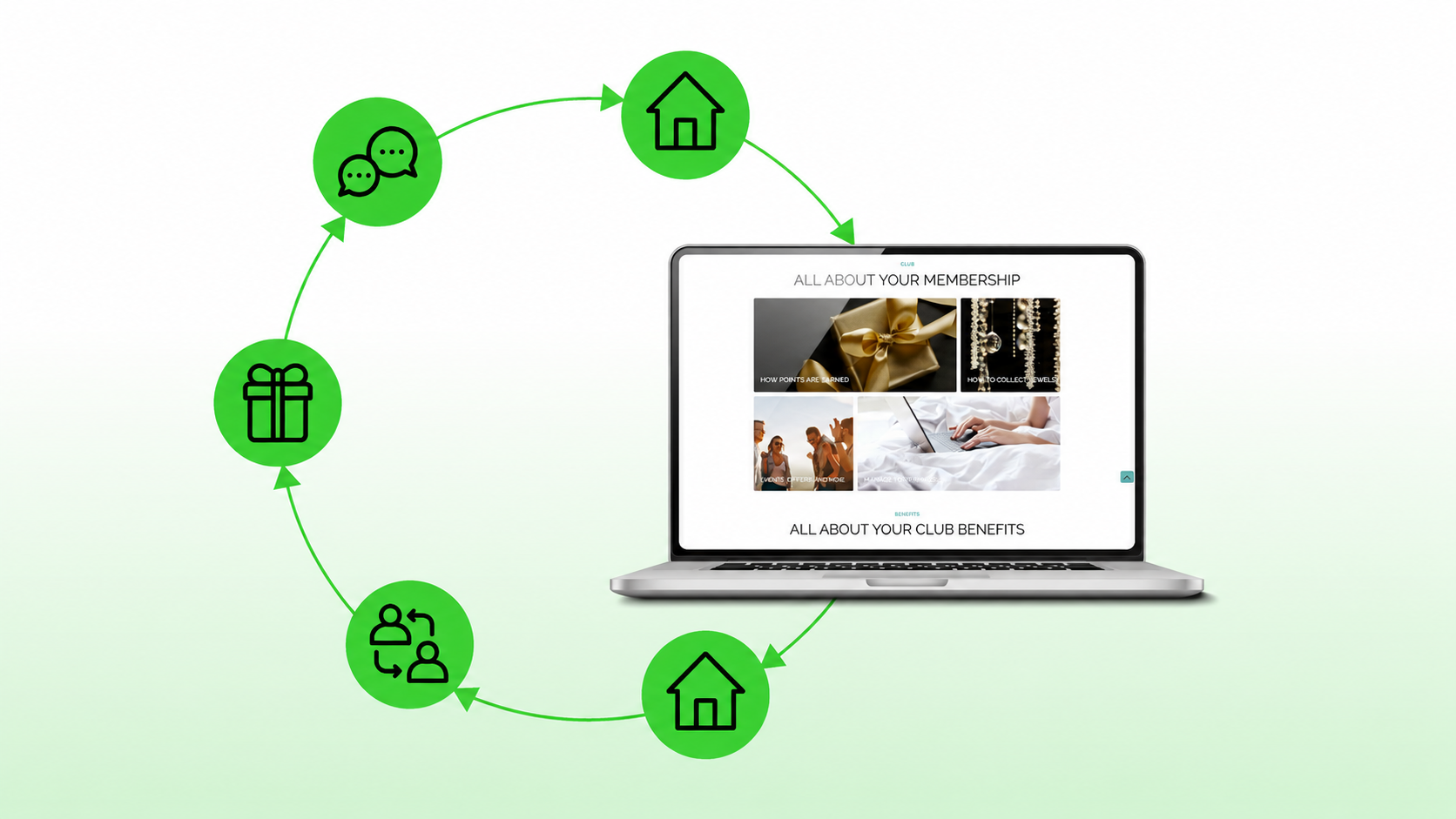
A digital guest club can bridge the gap between the guest’s stay, communication, and rewards. However, it is not the club itself that matters most, but rather the guest’s experience within it.
Five strategies are particularly relevant in this regard.
1. Reward interactions, not just overnight stays
Traditional loyalty programs often focus on revenue or overnight stays. Guest retention can begin earlier.
For example, a loyalty club can already reward the following interactions:
- the first login
- Completing a Profile
- a recommendation
- Stays
- Online purchases
- special activities
This creates more than just a digital stamp card: Guests can interact with the hotel and its brand in a variety of ways.
The benefit for the hotel: The relationship isn’t limited to the few days the guest actually spends there.
2. Offer experiences instead of flat-rate discounts
A reward doesn’t necessarily have to mean a 10 percent discount.
The hospitality industry, in particular, offers benefits that are directly tailored to the guest’s stay, such as:
- Early Check-in
- Late Check-out
- Other benefits from a personalized rewards program
Points earned can also be redeemed for gift certificates, rewards, or a combination of points and cash.
This way, the reward stays closely tied to the brand and the vacation experience.
Levels can also provide additional motivation: Depending on defined criteria such as revenue, points, or overnight stays, guests reach new levels and receive additional benefits in return. The specific level structure can be tailored to each hotel.
3. Use guest data to make communication more relevant
Personal communication begins with context.
For example, if the hotel is aware of its regular guests’ interests, birthdays, or personal anniversaries, this creates natural opportunities to address them personally. Such information can be stored in the guest profile and used to send relevant offers or messages.
This is an important difference from non-targeted mass mailings:
Don’t communicate more often—make your communication more relevant.
A hiking enthusiast needs different incentives than a spa guest. A wedding anniversary is a different occasion than a birthday. Effective guest retention capitalizes on these differences rather than treating all guests the same.
4. Stay present before, during, and after your stay
The guest journey offers far more touchpoints than just booking and check-in.
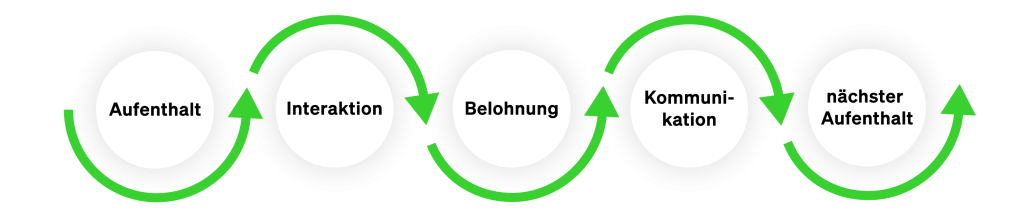
Through an integration with the PMS, stay and guest data can be imported into the club. This makes it possible, for example, to implement targeted marketing campaigns and reward points before, during, or after a stay.
This is how a linear process can become a cycle:
The goal here is not to automate as much as possible at any cost. Automation makes sense when it relieves teams of repetitive administrative tasks while also strengthening the relationship with the guest.
This is also in line with incert’s role: Existing systems are not meant to be replaced across the board. Instead, incert connects relevant areas and interfaces so that data related to sales, redemption, and customer loyalty can work together effectively.
5. Foster guest loyalty in a playful and emotional way
Loyalty can also be fun.
QR codes at select attractions, digital stamp books, or challenges create additional opportunities for interaction during a visit.
For example, guests can:
- visit various places
- Collect check-ins
- Complete a challenge
- and receive a reward
Referrals can also be part of the program. Friends can be invited via a personal referral link or by email; both the existing guest and the new guest can be rewarded for this.
This combines guest loyalty with another important goal: turning satisfied regulars into active brand ambassadors.
A loyalty program should fit the hotel—not the other way around
Not every hotel needs the same things:
- Levels
- Reward Programs
- Bonuses
A family-run wellness hotel has different priorities than a city hotel or resort. That’s why it’s crucial to have a loyalty strategy that aligns with the guest profile, the offerings, and the existing systems.
As a specialized technology partner, incert bridges the gap between digital sales and guest loyalty, integrating seamlessly with existing hotel systems. The goal is to streamline administrative processes while further strengthening the direct relationship between the hotel and its guests.
Conclusion
Effective guest retention feels personal to the guest—and therefore doesn’t have to be complicated behind the scenes.